← ALL FRESH TAKES
SOURCE-LED EDITORIAL REVIEW
SOURCE-LED EDITORIAL REVIEW
THE DOCUMENTED CONSENSUS
THEMATIC CENTER
choiceNARRATIVE PRESSURE
creationFORM
comedyRECORD ANCHORS
million · american · writtenThe record for Walk of Shame yields three coordinates specific to its premise—million, american, and written. That vocabulary places choice at the center and gives creation its dominant tension. It establishes a documentary baseline, not a borrowed score; criticism must still ask what the form does with that material.
Walk of Shame brings choice into contact with creation through comedy. That intersection is our Fresh Take: judge the premise less by its familiarity than by how precisely that combination makes its conflict legible. The existing editorial note adds this view: A comedy best met with an open mind: rhythm, performance and the pleasure of a shared audience take centre stage.
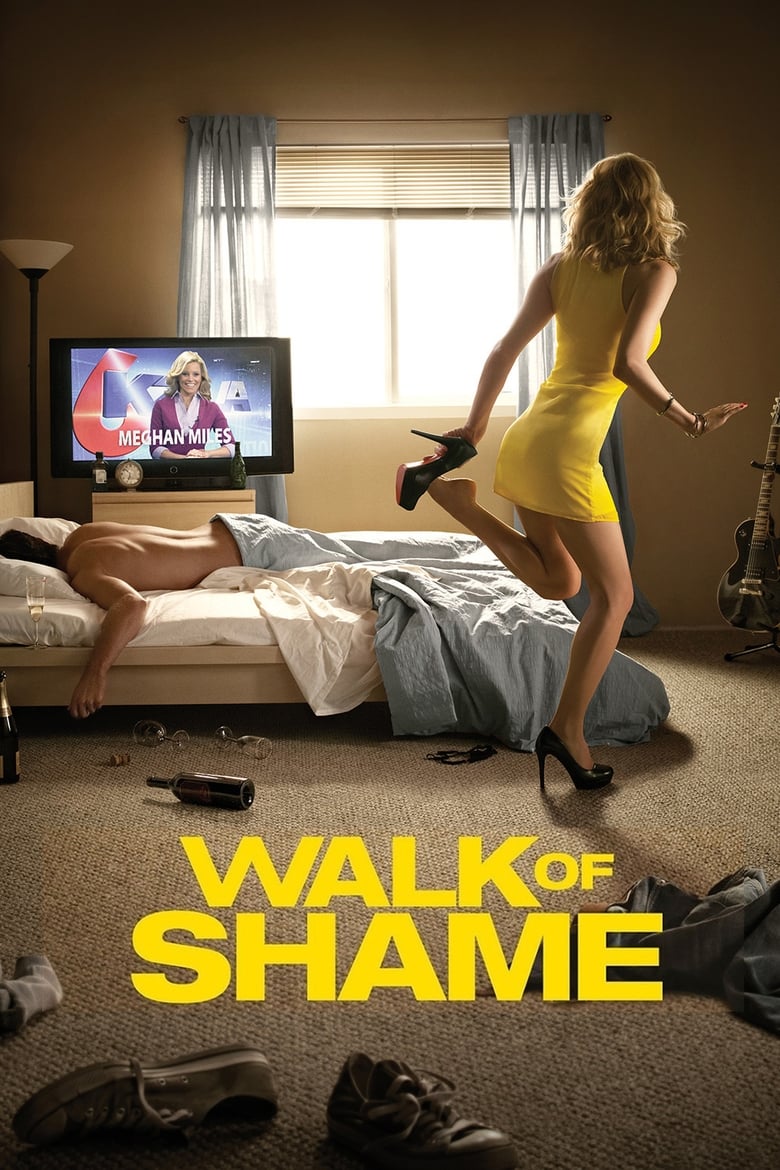
Walk of Shame (2014) arrives with the coordinates of a comédie film situated in 2010s cinema. The record credits Steven Brill with the direction and places Elizabeth Banks and James Marsden in the foreground. With a contained running time, the useful question is not to invent an invisible intention, but to notice how these documented choices shape audience expectations before the first frame.
Read as comedy, the film carries the pressure of creation. The story presents a connected set of decisions whose coherence matters more than their compliance with a familiar formula. The most precise critical test is therefore the human cost of the creative act beyond its result. A comic film is more than the immediate efficiency of a line. Its real architecture may live in reactions, silences, and the slight change in a relationship after the laugh has passed.
The source record reports an unfavorable critical reception. An unfavorable reception can close the conversation too early. It should remain visible, but the counterpoint is to test whether the reported limitations also conceal an ambition, strangeness, or minority pleasure worth articulating again.
The counterpoint suspends the score long enough to identify the precise choice that continues to resist the verdict. Instead of asking whether the film confirms the expected story of choice, the sharper question is whether it changes the person, place, or institution with the power to define it. The shift is to follow a scene after its punchline: that is often where the film reveals its real idea of the group.
THE VERDICT, REFRAMED
The wager: read comic timing as a form of social truth. Here, choice changes meaning under the pressure of creation.
THE DOCUMENTARY STARTING POINT