← ALL FRESH TAKES
SOURCE-LED EDITORIAL REVIEW
SOURCE-LED EDITORIAL REVIEW
THEMATIC CENTER
memoryNARRATIVE PRESSURE
the journeyFORM
cinematic narrativeRECORD ANCHORS
artist · leaves · everythingThe record for Chhabi yields three coordinates specific to its premise—artist, leaves, and everything. That vocabulary places memory at the center and gives the journey its dominant tension. It establishes a documentary baseline, not a borrowed score; criticism must still ask what the form does with that material.
Chhabi brings memory into contact with the journey through cinematic narrative. That intersection is our Fresh Take: judge the premise less by its familiarity than by how precisely that combination makes its conflict legible. The existing editorial note adds this view: A sensitive, fully inhabited film whose direction lets emotion surface with precision.
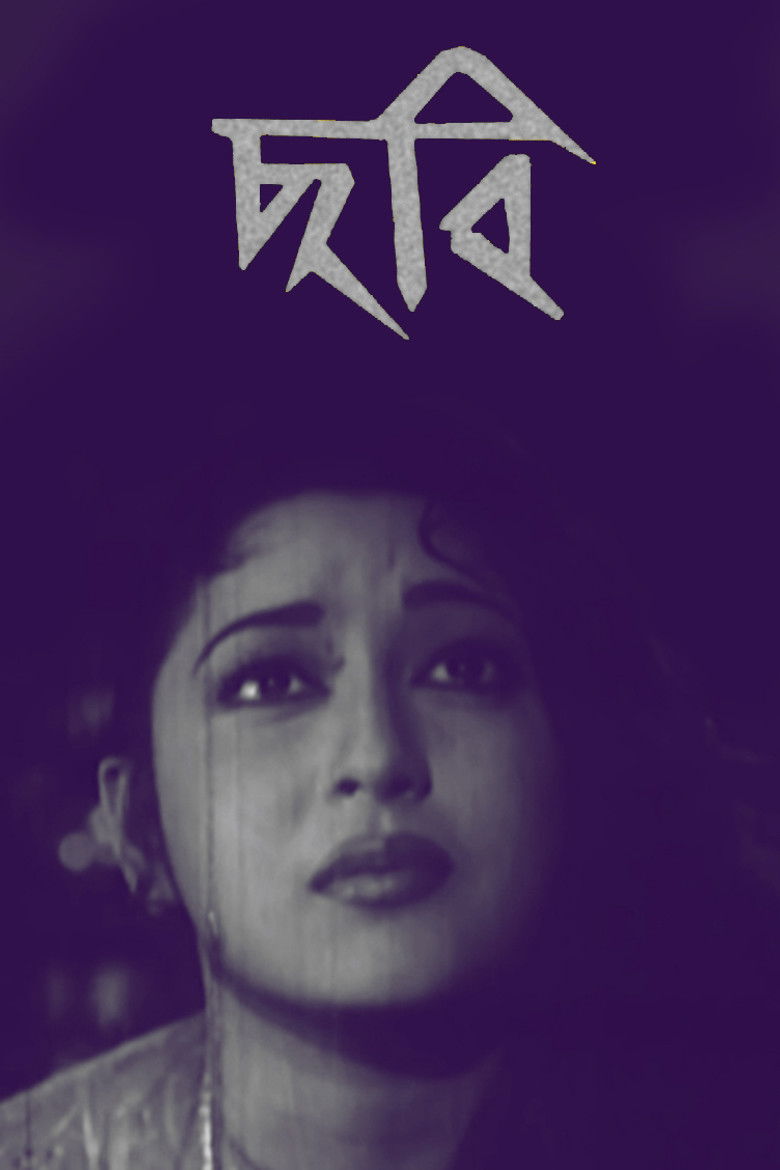
Chhabi (1959) arrives with the coordinates of a drame film situated in 1950s cinema. The record credits Nirendranath Lahiri with the direction and places Uchitutun and Premanghsu Bose in the foreground. With a broad feature-length canvas, the useful question is not to invent an invisible intention, but to notice how these documented choices shape audience expectations before the first frame.
Read as cinematic narrative, the film carries the pressure of the journey. Memory behaves like an edit: it selects, connects, and sometimes distorts what once appeared settled. The most precise critical test is therefore what movement undoes rather than merely which destination is reached. An intimate work benefits from being watched without demanding a demonstration in every scene. Its rhythm may be the rhythm of trust: the time required for an ordinary gesture to reveal the conflict it has carried.
The twist is to treat forgetting not as an absence, but as an active force organizing the present. Instead of asking whether the film confirms the expected story of memory, the sharper question is whether it changes the person, place, or institution with the power to define it. This view reverses scale: the quietest gesture may contain the film's largest rupture.
THE VERDICT, REFRAMED
The twist: measure movement in what a character can finally no longer hide. Here, memory changes meaning under the pressure of the journey.
THE DOCUMENTARY STARTING POINT