← ALL FRESH TAKES
SOURCE-LED EDITORIAL REVIEW
THE DOCUMENTED CONSENSUS
THEMATIC CENTER
choiceNARRATIVE PRESSURE
creationFORM
horrorRECORD ANCHORS
million · written · directorialThe record for Slither yields three coordinates specific to its premise—million, written, and directorial. That vocabulary places choice at the center and gives creation its dominant tension. It establishes a documentary baseline, not a borrowed score; criticism must still ask what the form does with that material.
Slither brings choice into contact with creation through horror. That intersection is our Fresh Take: judge the premise less by its familiarity than by how precisely that combination makes its conflict legible. The existing editorial note adds this view: A comedy best met with an open mind: rhythm, performance and the pleasure of a shared audience take centre stage.
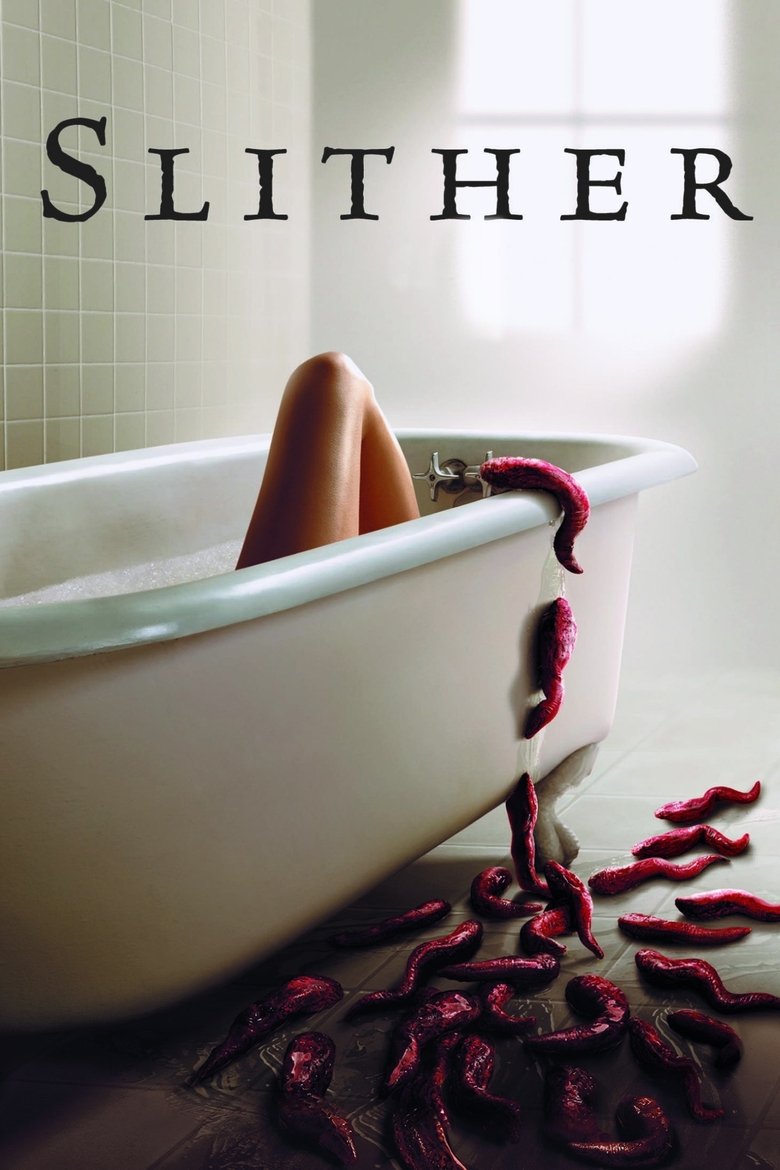
Slither (2006) arrives with the coordinates of a comédie de zombies film situated in 2000s cinema. The record credits James Gunn with the direction and places Nathan Fillion and Elizabeth Banks in the foreground. With a contained running time, the useful question is not to invent an invisible intention, but to notice how these documented choices shape audience expectations before the first frame.
Read as horror, the film carries the pressure of creation. The story presents a connected set of decisions whose coherence matters more than their compliance with a familiar formula. The most precise critical test is therefore the human cost of the creative act beyond its result. Comedy is often judged by the speed of its effects. This reading proposes the opposite: follow how power circulates between characters, how pauses work, and how a group agrees—or refuses—to laugh together.
The source record signals broadly favorable critical reception. That critical agreement deserves attention without becoming an instruction. Reputation identifies qualities that multiple observers recognized; it does not replace the experience of the film or the possibility that a secondary detail may become its true center for another viewer.
The counterpoint suspends the score long enough to identify the precise choice that continues to resist the verdict. Instead of asking whether the film confirms the expected story of choice, the sharper question is whether it changes the person, place, or institution with the power to define it. The final question is not only ‘is it funny?’ but ‘whom does the laughter bring together, and at whose expense?’
THE VERDICT, REFRAMED
The takeaway: count fewer laughs and notice more precisely which relationships they reveal. Here, choice changes meaning under the pressure of creation.
THE DOCUMENTARY STARTING POINT