← ALL FRESH TAKES
SOURCE-LED EDITORIAL REVIEW
THEMATIC CENTER
memoryNARRATIVE PRESSURE
decisionFORM
thrillerRECORD ANCHORS
herself · suffering · recurrentThe record for Rorrim yields three coordinates specific to its premise—herself, suffering, and recurrent. That vocabulary places memory at the center and gives decision its dominant tension. It establishes a documentary baseline, not a borrowed score; criticism must still ask what the form does with that material.
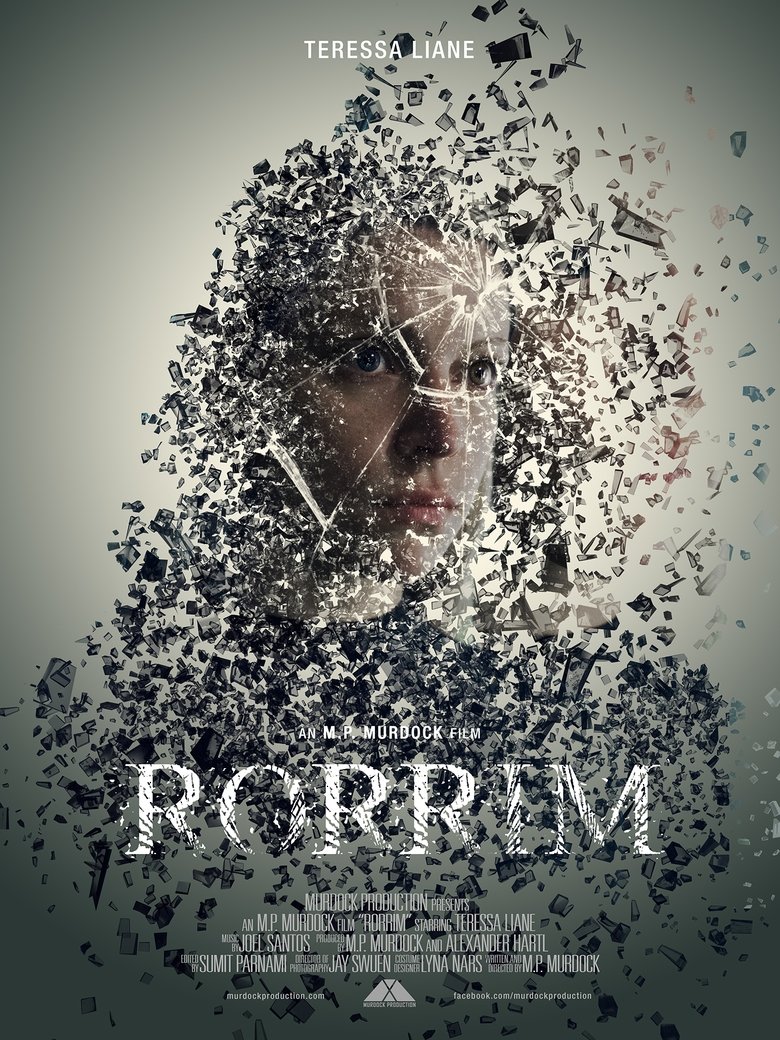
Rorrim brings memory into contact with decision through thriller. That intersection is our Fresh Take: judge the premise less by its familiarity than by how precisely that combination makes its conflict legible. The existing editorial note adds this view: Bold, full-scale entertainment made for the big screen, with an energy that never leaves emotion behind.
Rorrim (2019) arrives with the coordinates of a thriller film situated in 2010s cinema. The record credits M.P. Murdock with the direction and places Teressa Liane in the foreground. With an unusually compact form, the useful question is not to invent an invisible intention, but to notice how these documented choices shape audience expectations before the first frame.
Read as thriller, the film carries the pressure of decision. Memory behaves like an edit: it selects, connects, and sometimes distorts what once appeared settled. The most precise critical test is therefore how one choice alters every option that follows. Large-scale entertainment naturally invites talk of size, speed, and impact. Its harder test is clarity: each movement should sharpen a human desire, fear, or decision rather than merely raise the volume.
The twist is to treat forgetting not as an absence, but as an active force organizing the present. Instead of asking whether the film confirms the expected story of memory, the sharper question is whether it changes the person, place, or institution with the power to define it. The twist is to treat every imposing image as a question: what becomes clearer, in human terms, because of it?
THE VERDICT, REFRAMED
The takeaway: scale impresses; clarity of stakes gives it duration. Here, memory changes meaning under the pressure of decision.
THE DOCUMENTARY STARTING POINT