← ALL FRESH TAKES
SOURCE-LED EDITORIAL REVIEW
SOURCE-LED EDITORIAL REVIEW
THEMATIC CENTER
desireNARRATIVE PRESSURE
transformationFORM
speculative cinemaRECORD ANCHORS
steve · brooks · devilThe record for Switch yields three coordinates specific to its premise—steve, brooks, and devil. That vocabulary places desire at the center and gives transformation its dominant tension. It establishes a documentary baseline, not a borrowed score; criticism must still ask what the form does with that material.
Switch brings desire into contact with transformation through speculative cinema. That intersection is our Fresh Take: judge the premise less by its familiarity than by how precisely that combination makes its conflict legible. The existing editorial note adds this view: A lively, generous comedy whose sharp timing and joy in performance deserve a big-screen audience.
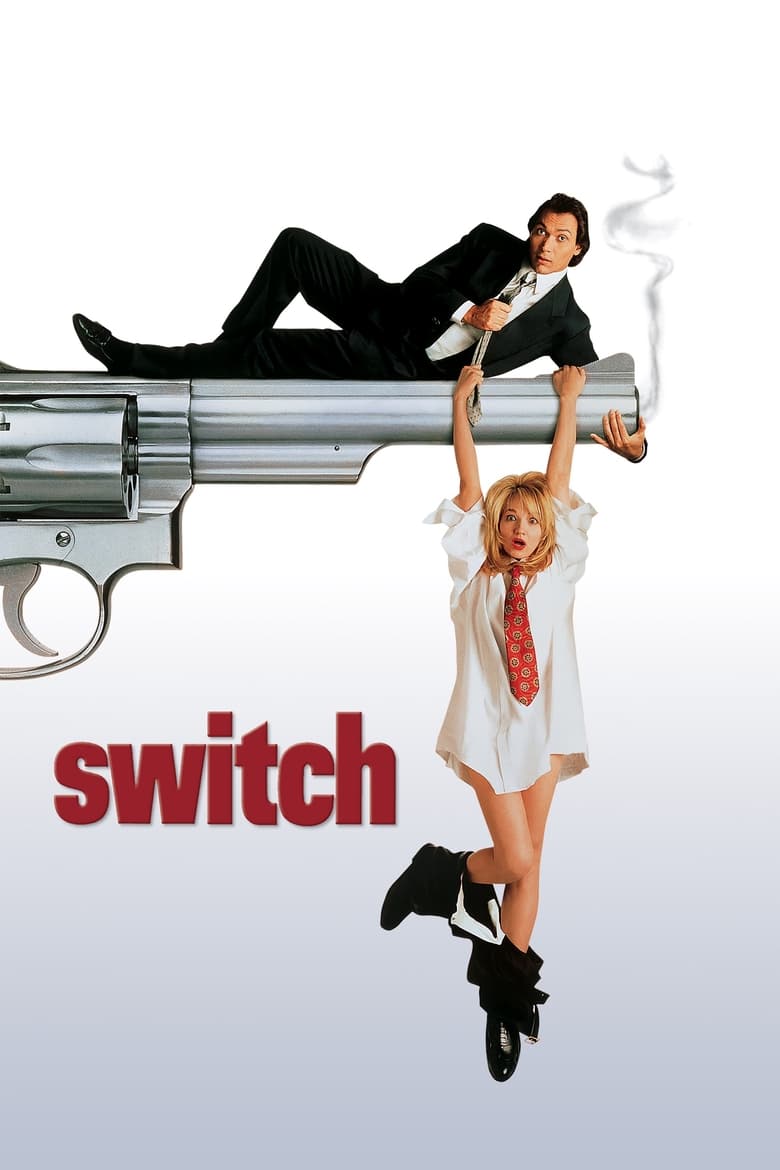
Switch (1991) arrives with the coordinates of a fantastique film situated in 1990s cinema. The record credits Blake Edwards with the direction and places Robert Clotworthy and Faith Minton in the foreground. With a contained running time, the useful question is not to invent an invisible intention, but to notice how these documented choices shape audience expectations before the first frame.
Read as speculative cinema, the film carries the pressure of transformation. Desire matters less as a promise of fulfilment than as a disruptive force exposing the compromises that had held until now. The most precise critical test is therefore the concrete consequences of change rather than its announcement alone. Laughter creates a deceptive intimacy. The most productive angle is to watch what humor permits people to say, what it protects, and what it suddenly makes visible in the relationships between characters.
The counterpoint asks whether the object of desire is truly another person, or the possibility of another self. Instead of asking whether the film confirms the expected story of desire, the sharper question is whether it changes the person, place, or institution with the power to define it. Viewed this way, the test of success changes: the durable laugh is the one that leaves a relationship slightly altered.
THE VERDICT, REFRAMED
The twist: follow what laughter releases, then what it leaves behind. Here, desire changes meaning under the pressure of transformation.
THE DOCUMENTARY STARTING POINT