← ALL FRESH TAKES
SOURCE-LED EDITORIAL REVIEW
SOURCE-LED EDITORIAL REVIEW
THEMATIC CENTER
workNARRATIVE PRESSURE
decisionFORM
comedyRECORD ANCHORS
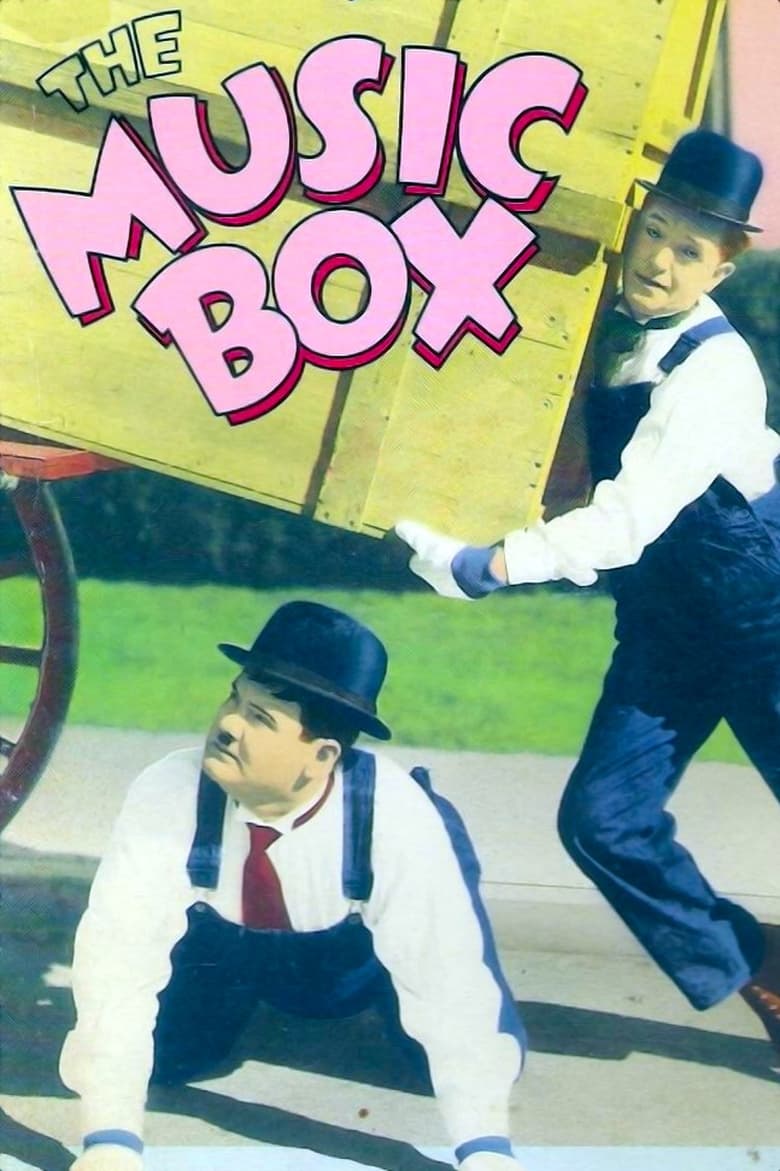
piano · stairs · movingThe record for The Music Box yields three coordinates specific to its premise—piano, stairs, and moving. That vocabulary places work at the center and gives decision its dominant tension. It establishes a documentary baseline, not a borrowed score; criticism must still ask what the form does with that material.
The Music Box brings work into contact with decision through comedy. That intersection is our Fresh Take: judge the premise less by its familiarity than by how precisely that combination makes its conflict legible. The existing editorial note adds this view: A lively, generous comedy whose sharp timing and joy in performance deserve a big-screen audience.
The Music Box (1932) arrives with the coordinates of a comédie film situated in 1930s cinema. The record credits James Parrott with the direction and places Hazel Howell and Charlie Hall in the foreground. With an unusually compact form, the useful question is not to invent an invisible intention, but to notice how these documented choices shape audience expectations before the first frame.
Read as comedy, the film carries the pressure of decision. Work defines more than material conditions; it organizes time, dignity, and the part of a person that can still be considered private. The most precise critical test is therefore how one choice alters every option that follows. Comedy is often judged by the speed of its effects. This reading proposes the opposite: follow how power circulates between characters, how pauses work, and how a group agrees—or refuses—to laugh together.
The twist follows less the professional rise or fall than the way an occupation colonizes private language. Instead of asking whether the film confirms the expected story of work, the sharper question is whether it changes the person, place, or institution with the power to define it. The final question is not only ‘is it funny?’ but ‘whom does the laughter bring together, and at whose expense?’
THE VERDICT, REFRAMED
The takeaway: count fewer laughs and notice more precisely which relationships they reveal. Here, work changes meaning under the pressure of decision.
THE DOCUMENTARY STARTING POINT